
As language learners, we've all been there: stuck in a conversation, unable to understand a joke or reference that's left us feeling like an outsider. But what if you could navigate these cultural references like a native? In 2026, with the rise of social media language exchange platforms and AI-powered language learning tools, mastering the art of understanding and using cultural references is more important than ever for effective communication in a globalized world.
Why Cultural References Matter
Cultural references are the lifeblood of any language, giving it flavor, nuance, and context. Idiomatic expressions, colloquialisms, and slang are all forms of cultural references that can make or break a conversation. When used correctly, they can help you sound more native-like, build rapport with native speakers, and even convey subtle shades of meaning that might be lost in translation.
For instance, in English, saying 'break a leg' before a performance doesn't literally mean wishing someone harm; it's a cultural reference that means 'good luck.' Similarly, in Spanish, 'tomar el pelo' doesn't mean 'to take someone's hair'; it's a colloquial expression that means 'to tease or joke with someone.' Mastering these cultural references can be the difference between sounding like a fluent speaker and a language learner who's still finding their feet.
Learning and Using Cultural References
So, how do you learn and use cultural references effectively? Here are a few tips:
- Watch TV shows and movies in the target language with subtitles. Pay attention to how native speakers use cultural references in context.
- Listen to podcasts, such as The World in Words or 60-Second Italian, that explore the nuances of language and culture.
- Use language learning apps like Babbel or Duolingo that incorporate cultural references into their lessons.
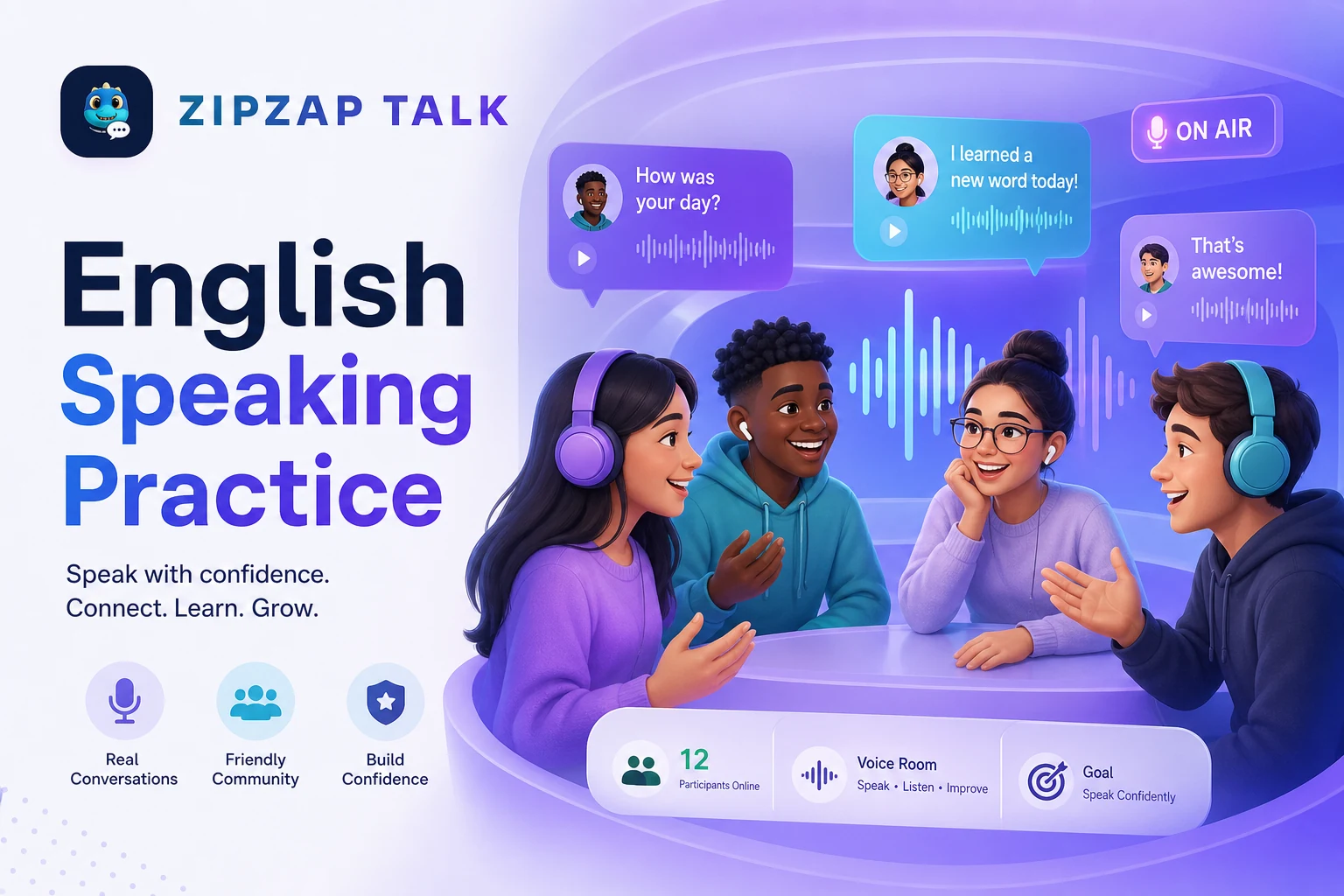
- Practice with native speakers, either in person or through online language exchange platforms like ZipZap Talk.
Another strategy is to learn about the history and cultural context behind certain expressions. For example, understanding the origins of the English phrase 'pull out all the stops' can help you appreciate its meaning and use it more effectively in conversation.
Common Challenges and Strategies
Of course, navigating cultural references can be tricky, especially when you're not familiar with the cultural context. One common challenge is misunderstanding the meaning of a cultural reference or using it in the wrong context. To overcome this, it's essential to be aware of your own cultural biases and to approach cultural references with a humble and open-minded attitude.
Another strategy is to ask questions and seek clarification when you're unsure about the meaning of a cultural reference. Don't be afraid to say 'I don't understand' or 'can you explain that?' – it's better to ask and learn than to pretend you know something you don't.
In conclusion, mastering cultural references is a crucial part of language learning that can help you sound more native-like, build rapport with native speakers, and navigate conversations with confidence. With the right resources and strategies, you can overcome common challenges and become a more effective and fluent communicator in a globalized world.