
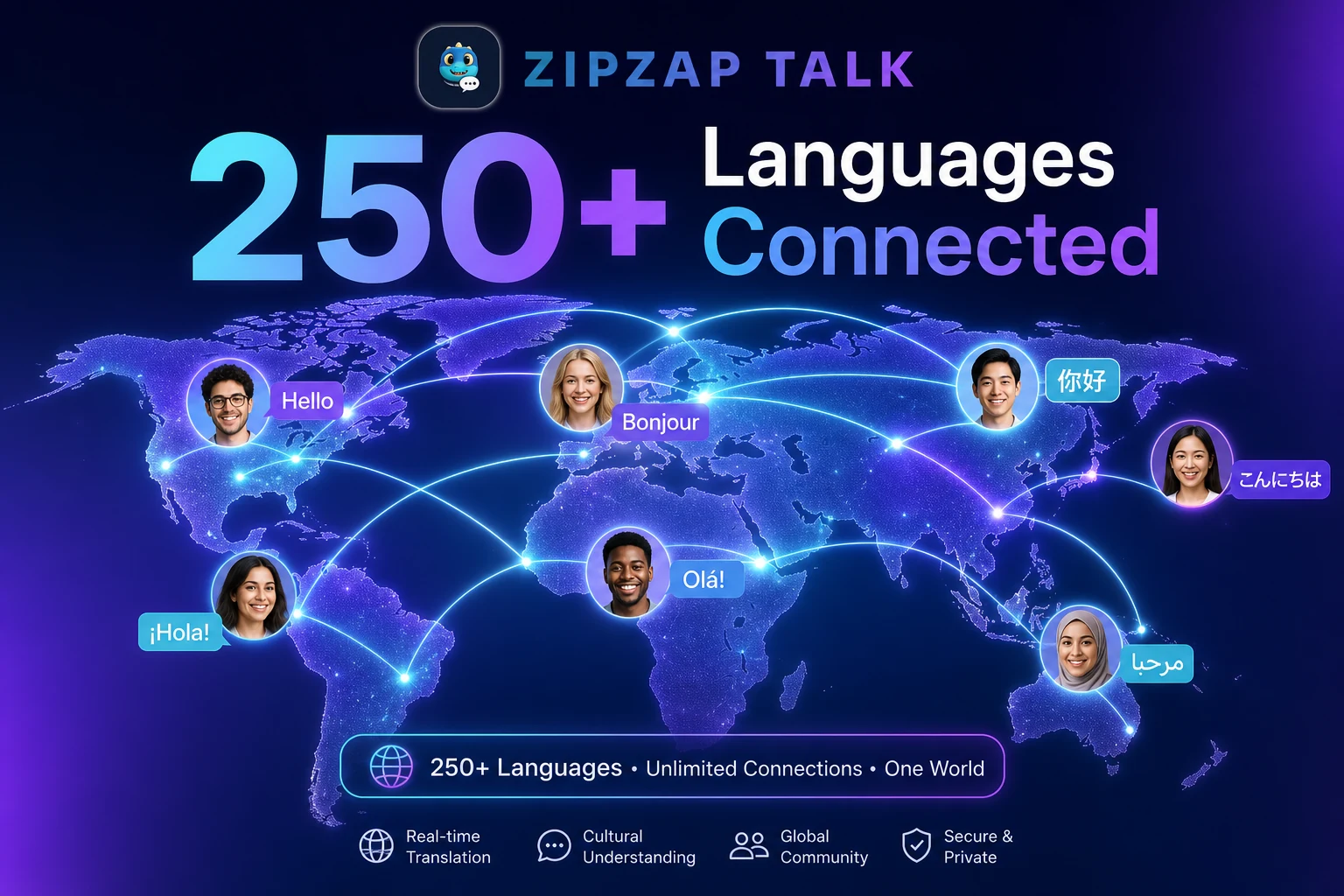
Multilingual voice chat platforms let a group speak different native languages while everyone still follows the thread. AI translation runs under the hood — sometimes per user, sometimes broadcast to the room.
Why multilingual rooms beat single-language tables
Single-language tables empty out when learner levels vary. Mixed rooms with translation stay busy because beginners and advanced speakers coexist. You hear more accents and learn to adapt listening speed.
Technical pieces behind the scenes
Speech recognition converts audio to text, machine translation converts text, text-to-speech or subtitles deliver output. Quality depends on models, latency, and whether the system knows context from earlier messages.
Use cases beyond language class
Travel planning with locals, gaming squads, diaspora families, remote teams — multilingual voice is not niche anymore.
Choosing a platform
Check language count, voice room capacity, mobile support, and privacy policies. Free tiers should still let you speak, not just listen.
ZipZap Talk supports 250+ languages in voice rooms with vibe-based matching — built for people who want a global room without English-only gatekeeping. Worth a spot on your waitlist if multilingual chat is your goal.